Chapter 6 · Lesson 1 of 17
Sign colors
4 min read · Traffic Signs and Signals
Signs in this lesson
Explanation
A sign’s background color tells you what kind of information it gives, even before you can read it.
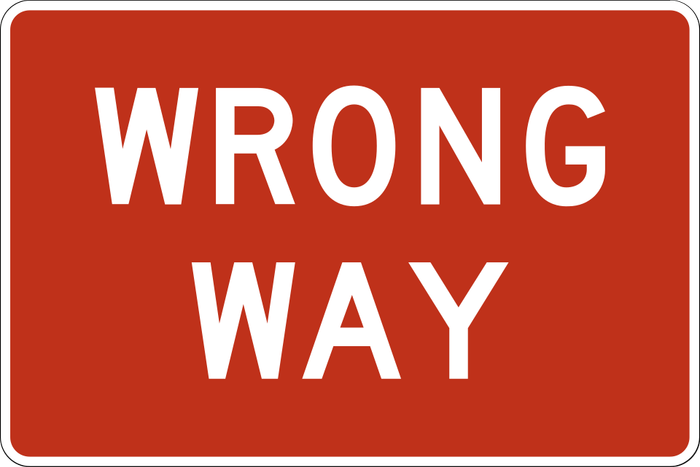
- Red: traffic regulations that require immediate action to avoid threats to traffic safety — for example Wrong Way.
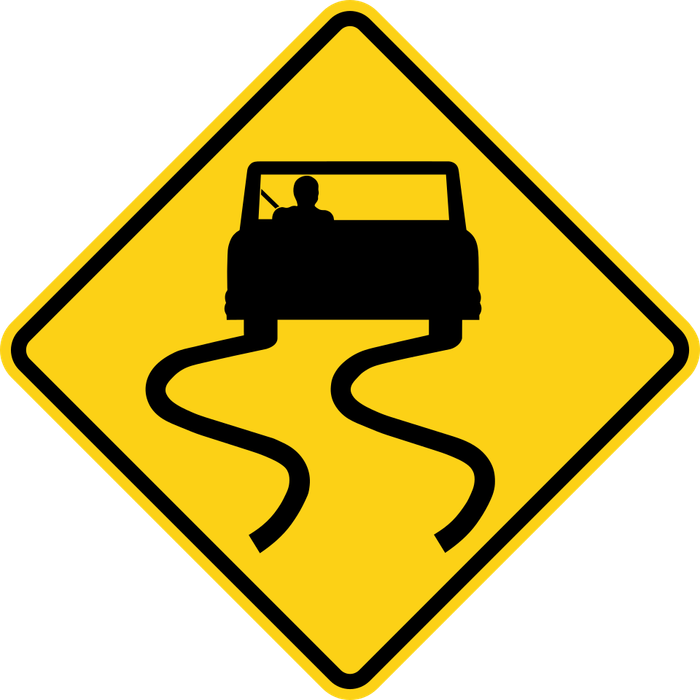
- Yellow: prepares you for specific road conditions and hazards ahead, and alerts you to nearby school zones — for example Slippery When Wet.
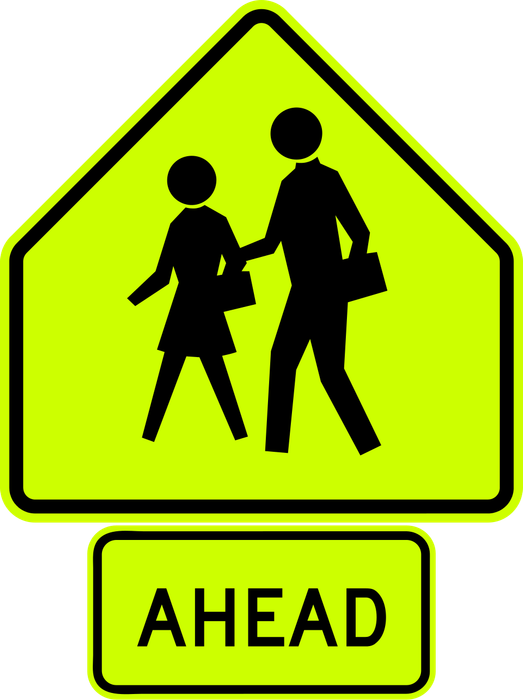
- Fluorescent yellow-green: warns of nearby schools, pedestrians, bicycles, playgrounds and school bus routes.
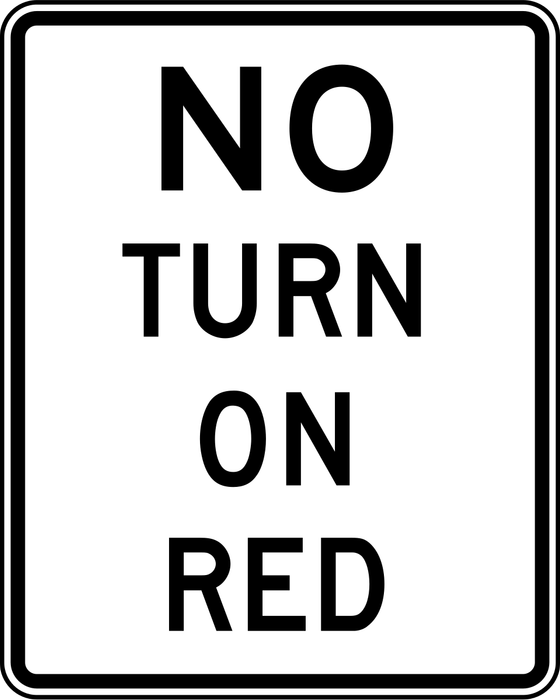
- White: traffic regulations you must obey, such as speed limits (for example No Turn on Red), and helpful information such as state highway markers.
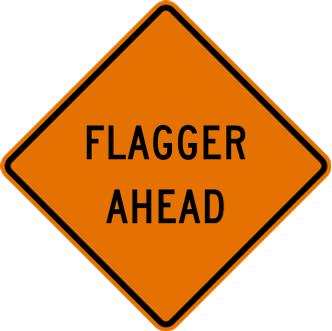
- Orange: temporary traffic conditions, often due to highway construction and maintenance projects — for example Flagger Ahead.
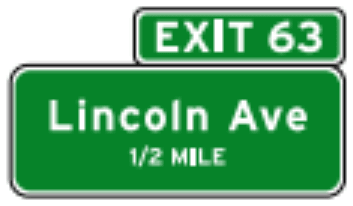
- Green: permitted movements and directions or guidance, such as highway entrances and exits or distances to upcoming destinations.
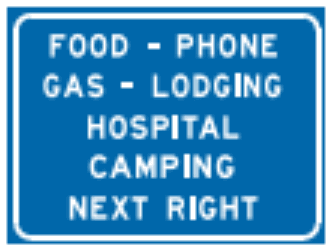
- Blue: road services and information, such as amenities at an upcoming exit.
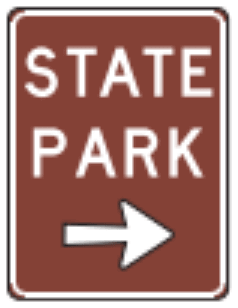
- Brown: nearby recreational and cultural interest sites, such as a state park.
Example
Far ahead you see an orange sign but can’t read it yet. Orange signs warn of temporary traffic conditions, often due to highway construction and maintenance, so you already know a temporary condition is ahead.
Common mistake
Mixing up orange and yellow. Orange warns of temporary traffic conditions, such as construction and maintenance; yellow prepares you for specific road conditions and hazards ahead.
What the manual says
Red traffic signs convey traffic regulations that require drivers to take immediate action to avoid threats to traffic safety.
Orange traffic signs warn drivers of temporary traffic conditions.
Brown traffic signs indicate nearby recreational and cultural interest sites.
Sources
- Manual p. 27
“Red traffic signs convey traffic regulations that require drivers to take immediate action to avoid threats to traffic safety.”
- Manual p. 27
“Yellow or fluorescent yellow-green signs prepare drivers for specific road conditions and hazards ahead, and alert drivers to nearby school zones.”
- Manual p. 27
“Fluorescent yellow-green signs warn drivers of nearby schools, pedestrians, bicycles, playgrounds, and school bus routes.”
- Manual p. 27
“White Traffic signs display traffic regulations, such as speed limits, that drivers must obey, as well as helpful information such as state highway markers.”
- Manual p. 27
“Orange traffic signs warn drivers of temporary traffic conditions.”
- Manual p. 27
“These signs are often used to warn drivers of conditions ahead due to highway constructions and maintenance projects.”
- Manual p. 27
“Green traffic signs indicate permitted movements and directions or guidance, such as highway entrances and exits or distance to upcoming destinations.”
- Manual p. 27
“Blue traffic signs display road services and information.”
- Manual p. 27
“Brown traffic signs indicate nearby recreational and cultural interest sites.”
Check your understanding
Question 1 of 3